“picking coffee fruit” search results (3000)

Plant coffee trees correctly
One of the characteristics of a coffee tree is that its fruit can bear fruit several times a year, and another is that flowers and fruits coexist at different stages of ripening.
2014-06-17 Coffee knowledge planting coffee trees coffee encyclopedia
The growth cycle of Coffee and the Coffee Science of picking Fine products
The growth cycle of coffee and the picking of coffee beans are the seeds of coffee trees. After three or four years of growth, the coffee tree matures and begins to bear fruit, with one fruit arranged in clusters or clusters along the branches. The outside of the seed is a layer of peel, which can be picked as soon as it turns red. Under the red skin (exocarp) there is a layer of pulp (mesocarp), inside is a small thin layer, and then there is a layer like parchment
2015-07-30 Coffee growth cycle picking boutique coffee coffee beans
The picking of coffee beans coffee beans are the seeds of coffee trees.
Coffee beans are the seeds of coffee trees. After three or four years of growth, the coffee tree matures and begins to bear fruit, with one fruit arranged in clusters or clusters along the branches. The outside of the seed is a layer of peel, which can be picked as soon as it turns red. Under the red skin (exocarp) there is a layer of pulp (mesocarp), which is a small thin layer, and then a layer of material endocarp like parchment. In
2015-11-04 Coffee beans picking coffee tree knot coffee bean after the new year raw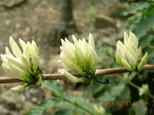
A detailed analysis of the whole process of a coffee from coffee seed to coffee tree and then to coffee bean picking
The first people to drink coffee lived in Ethiopia. A drink called Buncham was found in the Arab scientific literature of 900-1000 AD, but it is not certain that it is coffee. These documents mainly record the scientific value of this bean called Buncham. In addition to introducing the protective effects of this drink on the stomach, organs and skin, the author also mentioned that it can make
2015-12-29 One coffee seed and then coffee beans picking the whole process detailed analysis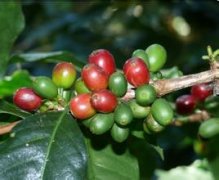
The growth cycle and picking of high-quality coffee
Coffee beans are the seeds of coffee trees. After three or four years of growth, the coffee tree matures and begins to bear fruit, with one fruit arranged in clusters or clusters along the branches. The outside of the seed is a layer of peel, which can be picked as soon as it turns red. Under the red skin (exocarp) there is a layer of pulp (mesocarp), which is a small thin layer, and then a layer of material endocarp like parchment. In
2015-01-07 Boutique coffee growth cycle picking coffee beans knots past year's
Coffee bean picking-berry treatment-drying
The coffee beans we are talking about are actually the seeds of a fruit similar to cherries.
2014-06-14 Coffee knowledge coffee bean picking coffee encyclopedia
The roasting process of coffee fruit after picking.
Roasting is the last and most important step in the processing of coffee beans after being picked. Raw coffee beans cannot be directly used as drinking coffee. All coffee beans must be roasted before grinding and brewing. Unbaked coffee is often called raw coffee, which has a shelf life of up to one year compared with roasted coffee. The size of raw coffee beans
2015-11-05 Coffee fruit roasting process picking post-processing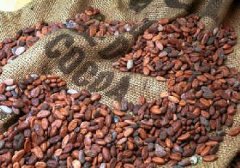
Arabica coffee beans mature from June to August.
Every winter (dry season) is the harvest period of coffee beans, coffee trees after three to four years of growth, gradually mature, began to bear fruit, fruit next to the branches arranged in a string or cluster. Coffee beans wrapped in red skin inside, as soon as red can be picked. Most Arabica beans mature between June and August, and Roberto beans between September and October. Therefore,
2015-10-07 Coffee beans harvesting processing rabbi maturity June-August annual winter dry season
Coffee beans-bad varieties coffee beans-picking
After harvest, peel, pulp, racing peel and silver peel should be removed before shipping and listing. There are two kinds of methods: drying (also known as natural or non-washing) and washing. Dry type: coffee beans selected coffee bean atlas shape judgment delicious coffee, from its fried coffee bean shape can be known, as shown in the following picture. Of course, there can be no bad coffee beans mixed in, but also note.
2016-05-26 Coffee beans variety bad picking harvest fruit shipping listing removal skin
The flavor of Honduran coffee. The kind of coffee from Central America. The picking method of Honduran coffee.
Honduras: special highland coffee flavor and taste characteristics: good flavor, rich and mellow, suitable for mixed drinking. Honduras is located in the north of Central America, facing the Caribbean Sea to the north, the Gulf of Fonseca in the Pacific Ocean to the south, Nicaragua and El Salvador to the east and south, and Guatemala to the west, mostly mountains and plateaus. It has a tropical climate, mild temperature, abundant rainfall, and is a coffee producer.
2016-03-02 Honduras coffee flavor Central America species picking method special
The harvest of coffee beans
After 3 or 4 years of growth, the coffee tree matures and begins to bear fruit, and one fruit will be arranged in clusters or clusters along the branches. Of course, the coffee beans we see are the seeds of coffee trees. The outside of the seed is a layer of peel, which can be picked as soon as it turns red. Under the red skin (exocarp) there is a layer of pulp (mesocarp), inside is a small thin layer, and then there is a layer of parchment
2014-08-08 Coffee knowledge coffee bean picking coffee encyclopedia
Coffee bean harvesting and processing Fine coffee bean processing
Every winter (dry season) is the harvest period of coffee beans, coffee trees after three to four years of growth, gradually mature, began to bear fruit, fruit next to the branches arranged in a string or cluster. Coffee beans wrapped in red skin inside, as soon as red can be picked. Most Arabica beans mature between June and August, and Roberto beans between September and October. Therefore,
2015-02-16 coffee beans harvest processing boutique method annual winter dry season
Classification and causes of defective beans in SCAA Coffee SCAA level: Italian mixed beans with secondary defects
CAA level: whole sour bean is a first-level defect; one whole sour bean = a complete defect name: local sour bean SCAA level: local sour bean is a secondary defect; less than half of a bean is sour bean, 3 beans = 1 complete defect cause: agriculture and treatment. Sour beans are caused by fermentation, and they are contaminated by microorganisms in many places in the process of harvest and treatment.
2016-07-14 SCAA Coffee defects Category cause Grade II Italian blending
General knowledge of Fine Coffee explain the way to get beans from Coffee
The beans are sweeter when the coffee is picked after it is red and ripe. If coffee farmers in order to save trouble, no matter whether the coffee fruit is ripe or not, picking it together will make the coffee sour and astringent, so the fine coffee must choose the ripe red fruit. Distinguish between floating beans and sunken beans: coffee fruits picked from coffee fields should not be mistaken and must be sent to the processing plant on the same day. Immature
2015-05-15 Boutique coffee common sense detailed explanation extraction of beans way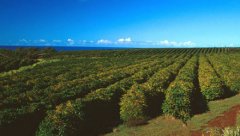
Common sense of Coffee Tree planting
After 3 or 4 years of growth, the coffee tree matures and begins to bear fruit, and one fruit will be arranged in clusters or clusters along the branches. Of course, the coffee beans we see are the seeds of coffee trees. The outside of the seed is a layer of peel, which can be picked as soon as it turns red. Under the red skin (exocarp) there is a layer of pulp (mesocarp), inside is a small thin layer, and then there is a layer of parchment
2015-01-19 Coffee beans picking coffee planting common sense after years growth day by day
Introduction to the characteristics of Coffee varieties in Santa Barara Manor, Honduras
The granules of coffee beans in Honduras are large in shape, uniform in size and glossy in color. In order to facilitate harvesting, farmers will prune the coffee trees to no more than 150 centimeters, because if they grow too high, they have to set up ladders to pick, which is not only time-consuming, but also may damage the trees by bending branches. As the ripening period of each fruit of the coffee bean is different, it is necessary to keep the coffee bean in good condition.
2016-10-13 Honduras Sanba Lara Manor Coffee Grinding processing Variety characteristics mouth
The growth cycle of coffee and picking coffee beans are the seeds of coffee trees.
Coffee beans are the seeds of coffee trees. After three or four years of growth, the coffee tree matures and begins to bear fruit, with one fruit arranged in clusters or clusters along the branches. The outside of the seed is a layer of peel, which can be picked as soon as it turns red. Under the red skin (exocarp) there is a layer of pulp (mesocarp), which is a small thin layer, and then a layer of material endocarp like parchment. In
2015-10-17 Coffee growth cycle picking coffee beans tree knots coffee over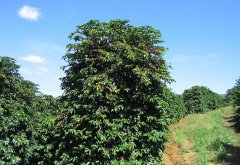
The roasting process of coffee tree fruit from coffee tree to coffee
Coffee is a perennial evergreen shrub or small tree of Rubiaceae. It is a horticultural perennial cash crop with the characteristics of fast growth, high yield, high value and wide market. Wild coffee trees can grow to a height of 5 to 10 meters, but coffee trees planted on the manor are often cut to less than 2 meters in order to increase their fruit and facilitate harvesting. The first flowering period of a coffee tree is about the age of the tree.
2015-11-05 Coffee fruit roasting process coffee grass perennial evergreen shrubs trees
Honey-treated Nicaraguan Coffee Lemon Tree Manor Coffee Flavor and taste Manor
Lemon Tree Manor also processes coffee in a honey-treated way. After the coffee fruit is actually picked, the coffee with its exocarp removed is put on the African shed to dry. Compared with the traditional way of placing coffee directly on the ground to dry coffee, using African shed to dry coffee can reduce more pollution in the drying process, avoid producing more miscellaneous smell, and finally improve the quality of coffee.
2016-07-18 Processing Nicaragua coffee lemon tree manor flavor taste producing area introduction
Fine Coffee Encyclopedia barista course
The formation environment of coffee trees in botany, coffee trees belong to the evergreen trees of the subgenus Rubiaceae, and coffee beans, commonly known as coffee beans, are actually the seeds of the fruit of coffee trees, just because they are shaped like beans, so they are called coffee beans. Climate is the decisive factor for coffee cultivation. Coffee trees are only suitable for growing in the tropics or subtropics, so the zone between latitude 25 degrees south and north is generally called
2014-10-23 Coffee knowledge fine coffee encyclopedia barista tutorials